
Discover how tech in the sky and cutting-edge technology is revolutionizing the aviation industry. From AI-powered operations to sustainable aircraft design, explore the innovations shaping the future of flight and redefining what’s possible in the sky.
Aviation has always been a symbol of human ambition — pushing boundaries, connecting continents, and shrinking distances. From the Wright brothers’ first flight to supersonic jets and intercontinental travel, the industry has constantly evolved with innovation at its core. Today, as the world steps into a more digitized, sustainable, and passenger-centric era, technology is shaping the skies in unprecedented ways.
Smarter Aircraft for Smarter Skies
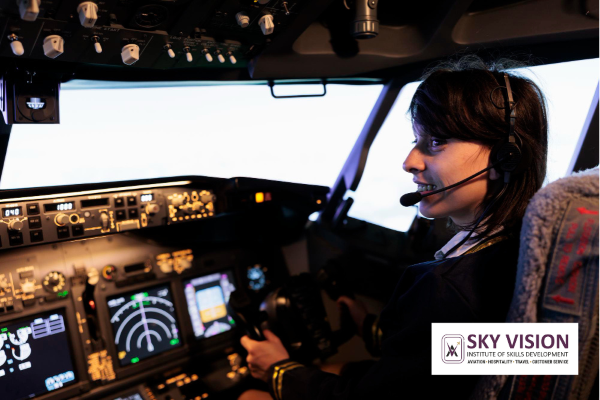
Modern aircraft are no longer just machines made of metal and engines — they are data-driven, intelligent systems. Equipped with thousands of sensors, today’s airplanes continuously collect real-time information about fuel efficiency, weather conditions, turbulence, and mechanical performance. Artificial Intelligence (AI) algorithms process this data to assist pilots in making faster, more accurate decisions, ensuring safety and efficiency.
Predictive maintenance is another breakthrough. Instead of waiting for a part to fail, airlines now use AI and machine learning to forecast potential issues before they occur. This not only reduces costly downtime but also enhances passenger safety.
The Rise of Green Aviation
One of the biggest challenges in aviation has been its environmental impact. However, innovation is steering the industry toward a greener future. Sustainable Aviation Fuels (SAF), made from renewable sources like algae, agricultural waste, and even captured carbon, are gradually replacing traditional jet fuel. These fuels can cut carbon emissions by up to 80% compared to conventional aviation fuel.
In parallel, engineers are experimenting with hybrid-electric and fully electric aircraft. While small electric planes are already in trial stages for regional travel, the long-term vision is to scale them for commercial routes. Combined with aerodynamic designs and lightweight composite materials, the push toward eco-friendly aviation is becoming a reality rather than a distant dream.
Passenger Experience in the Digital Age
Technology is not only transforming aircraft performance but also redefining the passenger experience. From the moment travelers book a ticket to the time they step off the plane, digital solutions are enhancing convenience and personalization.
Smart airports now offer biometric boarding, where facial recognition replaces paper boarding passes, reducing waiting times. Inside the cabin, advanced in-flight entertainment systems, personalized connectivity, and Wi-Fi access allow passengers to stay connected, entertained, and even productive. Airlines are also leveraging AI to offer tailored services — suggesting meals, seating, or entertainment options based on traveler preferences.
Autonomous and AI-Powered Flight
The idea of pilotless planes may sound futuristic, but the foundation is already being laid. Drones, which are essentially autonomous aircraft, are widely used today for logistics, defense, and even medical emergencies. Commercial aviation is taking notes from this technology. While fully autonomous passenger jets may still be decades away, semi-autonomous systems are increasingly assisting pilots, reducing human error, and enhancing safety.
Moreover, AI-powered air traffic management systems are helping congested skies run more smoothly. By analyzing real-time data, these systems optimize flight paths, reduce delays, and improve overall airspace efficiency.