


In this article our experts are going to explain about how to explore a career as a flight attendant – learn about flight attendant jobs, training, duties, salary, and how to start flying with top airlines after training. When boarding a flight, passengers are often greeted by the warm smiles and welcoming demeanor of flight attendants. While many associate their role with serving refreshments and ensuring comfort, flight attendants are far more than hospitality staff. They are highly trained professionals whose primary responsibility is to safeguard passengers, especially during emergencies. Through rigorous training at flight attendant institutes, these individuals are equipped to handle critical situations and ensure the safety and well-being of everyone on board.
Who is a Flight Attendant?
A flight attendant, sometimes referred to as an air hostess or cabin crew member, is responsible for maintaining passenger safety and comfort during a flight. Beyond providing excellent customer service, their role includes managing emergencies, calming anxious passengers, and acting as the first line of response in critical situations. Their ability to stay composed and take decisive action makes them indispensable in ensuring a safe and smooth flight experience.
Comprehensive Safety Training for Flight Attendants
Before stepping onto an aircraft, flight attendants undergo intensive safety training to prepare for a wide range of scenarios. This training equips them with the skills to:
- Administer first aid and perform CPR to assist passengers with medical emergencies.
- Operate critical safety equipment, including fire extinguishers, oxygen masks, and life vests.
- Direct passengers calmly and efficiently during emergencies.
- Maintain composure and make quick decisions under pressure.
- Address challenging situations, such as managing disruptive passengers or technical issues.
This specialized training ensures flight attendants are ready to handle any crisis with professionalism and confidence.



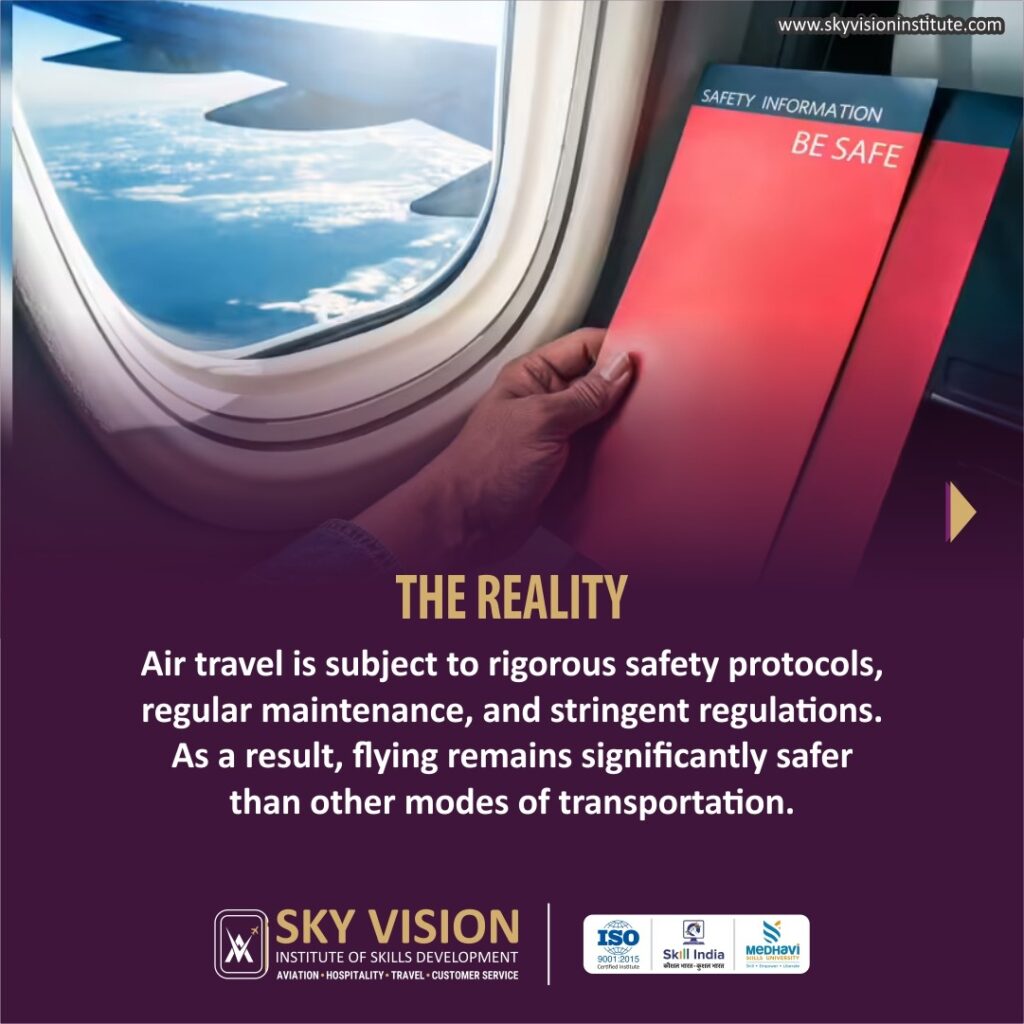

Types of In-Flight Emergencies
Flight attendants are trained to manage various emergencies that may occur during a flight, including:
- Turbulence: Sudden shaking caused by weather conditions, which can unsettle passengers.
- Fire or Smoke: A rare but serious issue that could originate in the cabin or aircraft systems.
- Medical Emergencies: Situations like fainting, heart attacks, or other health crises among passengers.
- Emergency Landings: When a plane must land urgently due to mechanical or other issues.
- Water Landings: Rare cases where a plane lands on water, requiring swift evacuation.
- Cabin Pressure Loss: A drop in oxygen levels that demands immediate action to protect passengers.

Key Responsibilities of Flight Attendants Jobs
Attendants During Emergencies
Flight attendants jobs are the backbone of in-flight safety, stepping into action when emergencies arise. Their duties include:
Providing Clear and Concise Instructions
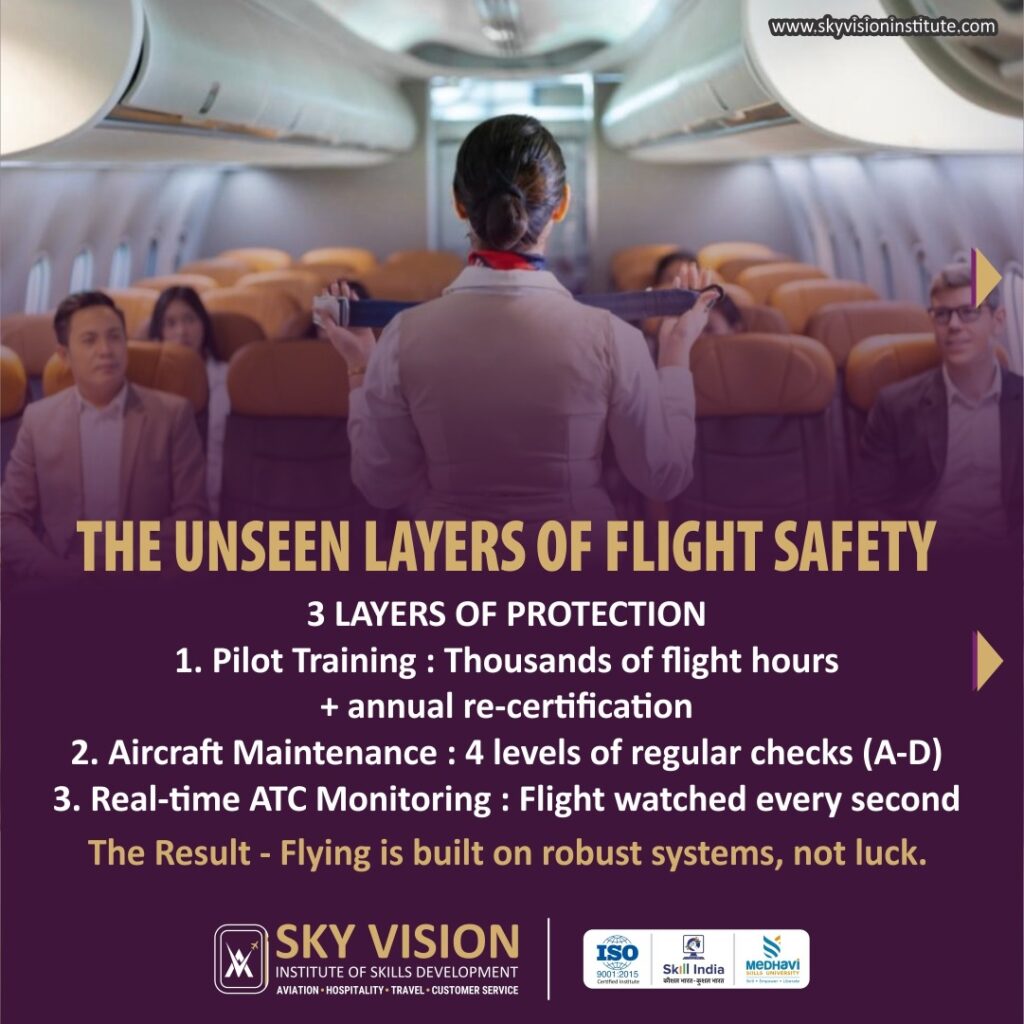
Before takeoff, flight attendants conduct safety demonstrations, explaining how to use seat belts, life vests, and oxygen masks. In an emergency, they deliver calm, clear instructions to guide confused or frightened passengers, ensuring everyone understands how to stay safe.
Maintaining Calm Under Pressure
Emergencies can trigger panic among passengers, with some reacting emotionally or erratically. Flight attendants remain composed, using their calm demeanor to reassure passengers and prevent chaos. Their ability to project confidence helps maintain order and promotes a safer environment.
Operating Safety Equipment
Flight attendants are trained to use aircraft-specific safety tools effectively. They inspect the aircraft before boarding to identify potential issues and report them to the crew. Their technical knowledge and quick thinking are critical in addressing emergencies like equipment malfunctions or cabin hazards.
Providing Medical Assistance
Equipped with first aid and CPR training, flight attendants can respond to medical emergencies, such as a passenger experiencing a heart attack or fainting. They provide immediate care until the plane lands or a medical professional on board takes over.
Facilitating Safe Evacuations
In the event of an emergency landing or fire, flight attendants orchestrate rapid and orderly evacuations. They guide passengers to emergency exits, manage crowd control, and ensure everyone exits the aircraft safely, even in high-stress situations.
Combating Fires
Though rare, fires on an aircraft are a serious threat. Flight attendants are trained to use fire extinguishers to contain small fires before they escalate, protecting passengers and crew from harm.
Managing Turbulence
During turbulence, flight attendants ensure passengers remain seated and secure loose objects that could become hazardous. Their calm presence helps alleviate passenger anxiety and maintains safety throughout the cabin.
Handling Disruptive Passengers
Occasionally, flight attendants must deal with unruly passengers who pose a risk to others. Their training equips them to de-escalate conflicts and, if necessary, take measures to ensure the safety of everyone on board.
The Unsung Heroes of Aviation
Flight attendants are often the unsung heroes of air travel, balancing hospitality with critical safety responsibilities. Their extensive training and ability to remain calm in high-pressure situations make them vital to the safety and security of every flight. Far from just serving food and drinks, flight attendants are trained professionals who play a pivotal role in ensuring passengers reach their destinations safely, even when the unexpected occurs.